


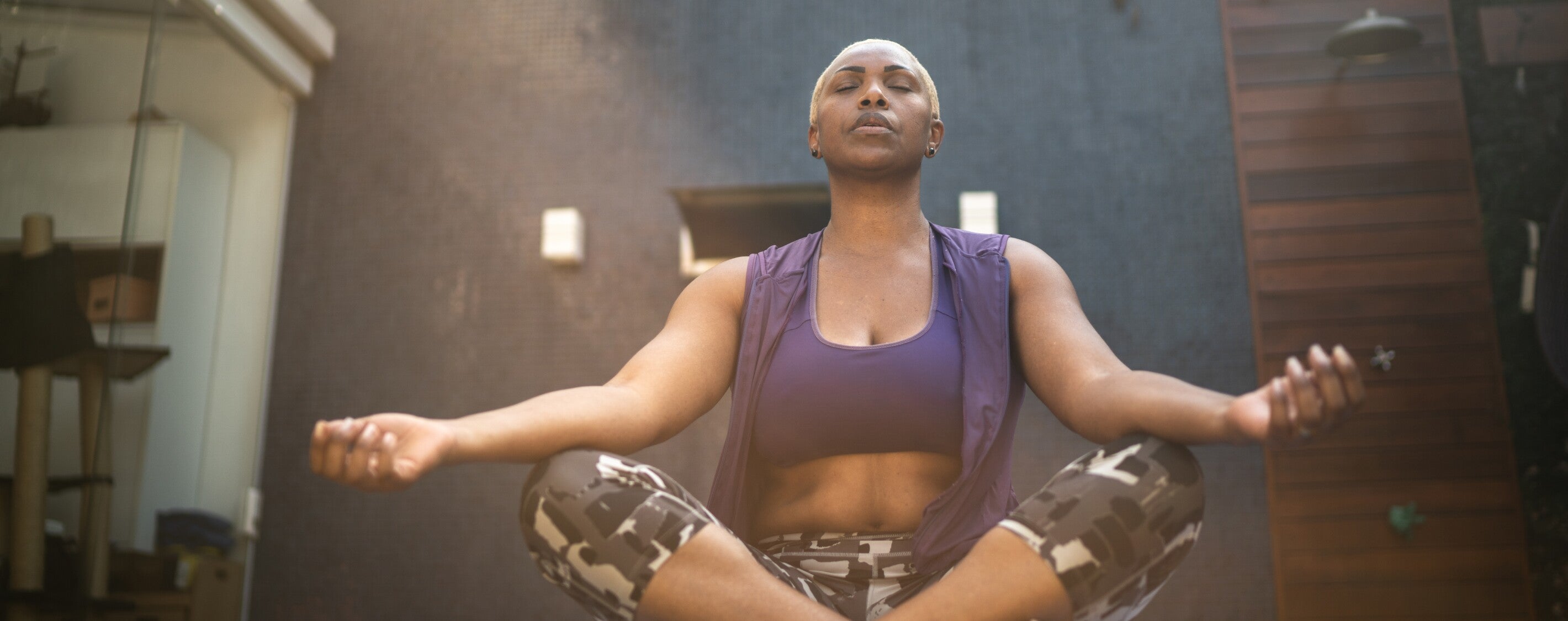
Breathwork is simple in one important sense: the breath is already with us, every moment of every day. Pranayama, the yogic practice of intentionally working with the breath, turns that ordinary rhythm into a tool for awareness, steadiness, and balance.
Rooted in ancient Indian yoga traditions, pranayama includes many approaches to changing the pace, depth, pathway, or rhythm of breathing. Modern research continues to explore how deliberate breathing may influence stress regulation, attention, and the autonomic nervous system. The aim is not to force the breath, but to develop a more conscious relationship with a process the body is already performing naturally.
That is what makes breathwork so accessible. It does not require complicated equipment or a long practice window. A few minutes of focused breathing can become a practical pause in the day, helping you shift from automatic reaction toward greater awareness.
The deeper purpose is not simply to take bigger breaths. Yogic traditions have long treated breathing as a bridge between body and mind. When you bring attention to the breath, you also bring attention to your current state: whether you feel activated, distracted, fatigued, settled, or clear.
Conscious breathing builds on this natural flexibility. Rather than assuming every practice needs a deep or forceful breath, pranayama asks us to notice how different breathing patterns affect the body and mind. Slow, comfortable breathing can support a sense of calm, while more activating techniques may create a different subjective experience.
This is one reason breath awareness can work well as a daily grounding ritual: it gives the mind a concrete, present-moment sensation to return to.
This mind-body relationship is one reason breathing practices have remained central to yoga for generations. Long before modern measurement tools, practitioners observed how deliberate shifts in breathing could change their felt experience of the body and mind.
Today, those traditional observations can be approached alongside modern physiology without reducing pranayama to a single outcome. The most useful question is often practical: What happens in your own experience when you slow down, pay attention, and breathe with intention?
That does not mean breathwork eliminates every difficult thought or emotion. Instead, conscious breathing gives you a repeatable point of return. You can notice the breath, feel the body, and reconnect with the present moment before deciding what needs your attention next.
When the breath becomes a place to return to, balance becomes something you can practice rather than something you have to wait for.
Keep the breath comfortable, stay curious about how each technique affects you, and avoid forcing long holds or strong breathing patterns. If you have a respiratory, cardiovascular, neurological, or other health condition, or if a breathing practice causes dizziness or discomfort, pause and seek guidance from a qualified healthcare professional or experienced instructor.
Over time, breathwork can become less about 'doing a technique' and more about recognizing that the breath is always available as an anchor for awareness, rhythm, and balance.
Rooted in ancient Indian yoga traditions, pranayama includes many approaches to changing the pace, depth, pathway, or rhythm of breathing. Modern research continues to explore how deliberate breathing may influence stress regulation, attention, and the autonomic nervous system. The aim is not to force the breath, but to develop a more conscious relationship with a process the body is already performing naturally.
That is what makes breathwork so accessible. It does not require complicated equipment or a long practice window. A few minutes of focused breathing can become a practical pause in the day, helping you shift from automatic reaction toward greater awareness.
What Is Pranayama?
Pranayama is a traditional yogic approach to breath regulation. The word is often understood as working with prana, or vital energy, through intentional breathing practices. Depending on the technique, pranayama may involve slowing the breath, changing the length of an inhale or exhale, breathing through a particular nostril, humming, or briefly pausing between phases of the breath.The deeper purpose is not simply to take bigger breaths. Yogic traditions have long treated breathing as a bridge between body and mind. When you bring attention to the breath, you also bring attention to your current state: whether you feel activated, distracted, fatigued, settled, or clear.
What Happens When We Practice Conscious Breathing?
Breathing patterns naturally shift throughout the day. We sigh, yawn, speed up, slow down, and change the depth of the breath in response to movement, emotion, speech, rest, and stress. A spontaneous sigh, for example, can help reset normal breathing mechanics and reopen small air spaces in the lungs.Conscious breathing builds on this natural flexibility. Rather than assuming every practice needs a deep or forceful breath, pranayama asks us to notice how different breathing patterns affect the body and mind. Slow, comfortable breathing can support a sense of calm, while more activating techniques may create a different subjective experience.
This is one reason breath awareness can work well as a daily grounding ritual: it gives the mind a concrete, present-moment sensation to return to.
Four Pranayama Practices for Balance
In the InnerNow series Breathwork for Balance, four practices are used to explore different relationships between breathing, attention, and physiological regulation:- Coherence Breathing: uses a slow, even rhythm to support a balanced, steady breathing pattern and may help promote autonomic regulation.
- Rose Pranayama: uses scent and nasal breathing as points of focus, bringing awareness to olfactory pathways that are closely connected with memory and perception.
- Kapalabhati: is a more active yogic breathing practice built around rhythmic exhalations. Because it is more stimulating than slow breathing, it should be practiced comfortably and without strain.
- Bhramari: uses a gentle humming sound during the exhale. Humming can increase nasal nitric oxide levels, while the vibration and extended exhalation can also make the practice feel settling and meditative.
How Breathwork Can Influence the Body and Nervous System
Changing the breath changes more than the amount of air moving in and out of the lungs. The pace and pattern of breathing interact with heart rate, muscle activity, attention, and the autonomic nervous system, which helps regulate states of activation and rest.This mind-body relationship is one reason breathing practices have remained central to yoga for generations. Long before modern measurement tools, practitioners observed how deliberate shifts in breathing could change their felt experience of the body and mind.
Today, those traditional observations can be approached alongside modern physiology without reducing pranayama to a single outcome. The most useful question is often practical: What happens in your own experience when you slow down, pay attention, and breathe with intention?
When the Breath Becomes Steady, the Mind Can Settle
A recurring idea in yogic practice is that the movement of the breath and the movement of the mind are closely related. When breathing is hurried or irregular, mental activity may feel similarly unsettled. When breathing becomes quieter and more deliberate, the mind may have an easier place to rest.That does not mean breathwork eliminates every difficult thought or emotion. Instead, conscious breathing gives you a repeatable point of return. You can notice the breath, feel the body, and reconnect with the present moment before deciding what needs your attention next.
When the breath becomes a place to return to, balance becomes something you can practice rather than something you have to wait for.
How to Make Breathwork Part of Your Daily Routine
Consistency matters more than complexity. You do not need to turn every breathing session into an intensive practice. Begin with a few quiet minutes at a time of day you can realistically repeat, such as after waking, before meditation, between work sessions, or as part of an evening wind-down.Keep the breath comfortable, stay curious about how each technique affects you, and avoid forcing long holds or strong breathing patterns. If you have a respiratory, cardiovascular, neurological, or other health condition, or if a breathing practice causes dizziness or discomfort, pause and seek guidance from a qualified healthcare professional or experienced instructor.
Over time, breathwork can become less about 'doing a technique' and more about recognizing that the breath is always available as an anchor for awareness, rhythm, and balance.